
The Wildberries Option
Is a more expensive war for every Russian
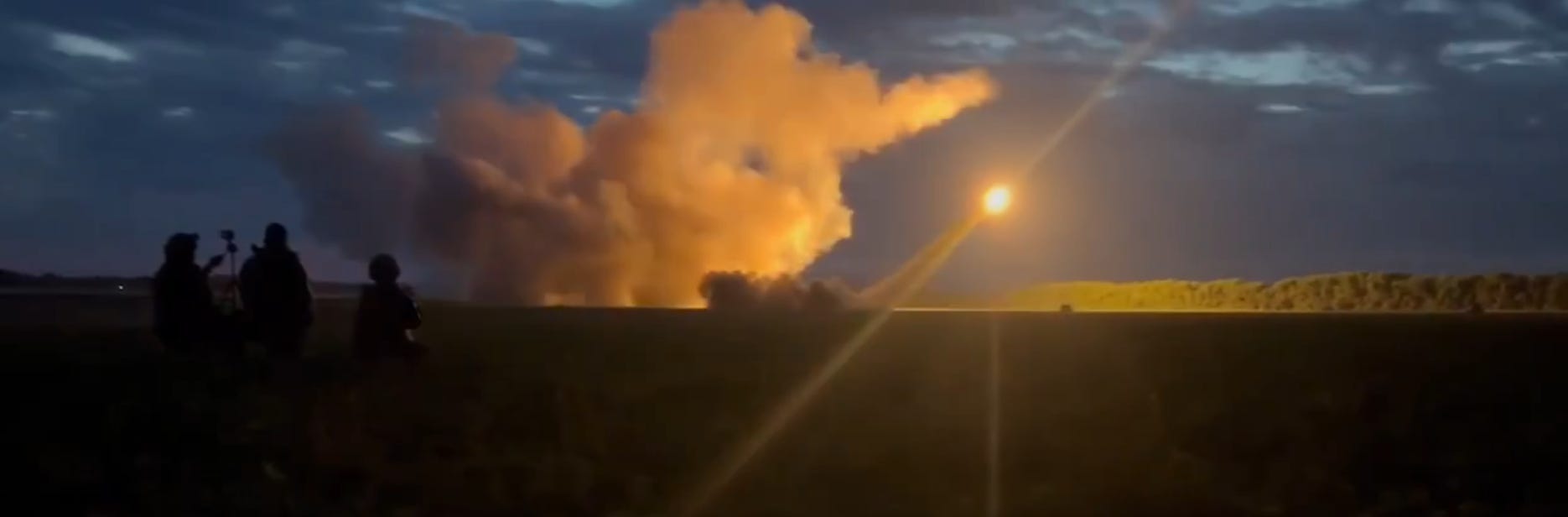
Ukraine has surpassed Russia in the scale of their long-range strike capabilities. Successive, overlapping campaigns have created gas lines in Russia, swept the Sea of Azov clear of Russian ships, hammered logistics, and in recent days has expanded to Wildberries warehouses.
Wildberries is frequently compared to Amazon as a business, but this does not quite explain what is happening, here. Imagine American soldiers ordering their body armor, radios, combat gear, fiber-optic spools, and sundry needs for battle from Amazon.
President Volodymyr Zelenskyy calls the Wildberries locations “major logistics facilities” that are/were “involved in supplying the Russian military with drone components, navigation equipment, and other gear”. Order fulfilment centers and warehouses are therefore considered ‘dual use’ locations, subject to attack.
Russia has of course condemned these attacks on poor, innocent civilian businesses. For once, this is almost not hyperbole. Wildberries is the rare example of a successful non-silovik business in Russia. Founder and CEO Tatyana Kim is Russia’s richest self-made woman billionaire.
However, a bitter divorce and corporate power struggle between Kim and her estranged husband Vladislav Bakalchuk erupted in gunfire during 2024. Talk about your bad breakups.
Bakalchuk showed up at the company’s offices near the Kremlin. He brought armed men in a brazen attempt to seize the premises. Two Wildberries security guards were killed and several police were reportedly wounded. Bakalchuk’s Chechen mob muscle was later convicted. It is dangerous to do honest business in Russia, even on a good day.
Strikes on Wildberries locations in the Moscow and St. Petersburg regions have secondary, cascading effects on the most important economic centers in Russia. Small businesses that depend on the online retailer for stock are already teetering on the edge from lack of demand. Between absent supply and absent demand is zero trade.
Wildberries had also been one important way for residents of the urban core of St. Petersburg and Moscow to alleviate the gas crisis by driving less. Now Russian consumers are forced to go somewhere themselves if they want anything, compounding the gasoline crisis. Business and consumer are both being squeezed.
The Wildberries option communicates the price of continued war to Russians in the metropolitan center of the country, the regions that have so far avoided the worst impacts of the war.
This does not guarantee the end of the war will come anytime soon. On the contrary, Russians face a bleak winter of limited heating oil supplies and Christmas without Wildberries delivery because Putin never responds to price signals.
I keep comparing him to a gambling addict because he predictably doubles-down on every high-stakes geopolitical bet. Putin treats armies and treasuries like inexhaustible credit lines at the casino of war.
It is compulsive behavior by a man who is unable to walk away from the table. However, even the world’s richest man has material limits. The Wildberries option aims to strike Russia against hard, material limits, imposing long-term costs for long-term war.
Fewer businesses, paying less tax, is less revenue for war against Ukraine. Treating a Wildberries just like any other Russian military logistics hub has broad effects on Russia’s wartime economy. The stated rationale is peace. The material effect is a more expensive war for every Russian, however long it lasts.
Was Venezuela Payback For Havana Syndrome?
Early on the morning of 3 January 2026, at least 32 Cuban guards around Nicolás Maduro were reportedly incapacitated by a weapon that American forces were using for the very first time.


